Effective Surface Prep Leads to Lasting Paint Jobs
Proper surface preparation is crucial when it comes to painting, whether you’re working on a large commercial building or a single room in your home. Without the right prep work, paint can peel, crack, or fail to adhere properly. This often leads to additional costs and time spent on fixing issues that could have been avoided from the start. Knowing how to prepare surfaces correctly ensures that the paint job not only looks good but also lasts longer. This guide will explain why preparation matters and how you can achieve the best results with your painting projects.
The Role of Cleaning
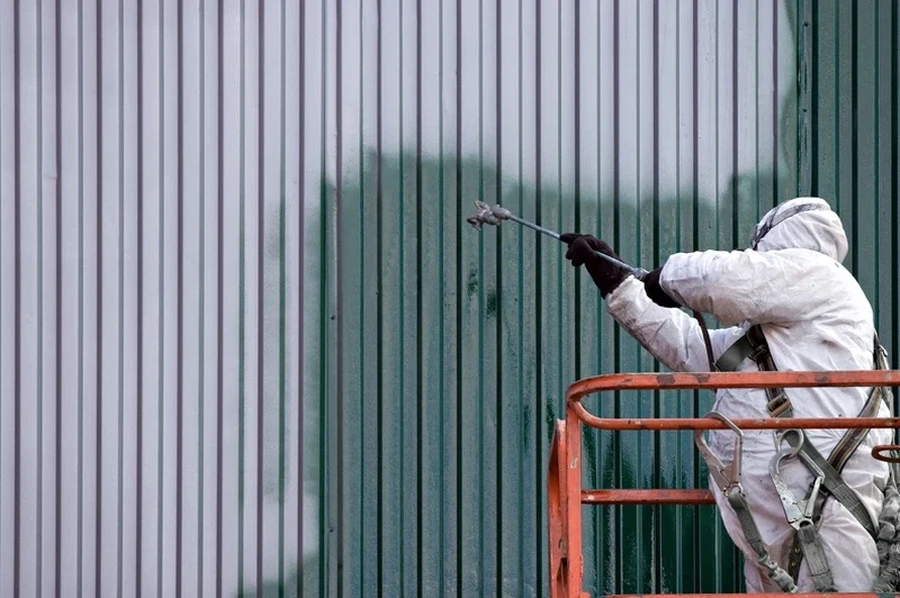
Cleaning the surface is one of the first steps in any painting project. Dirt, dust, and grime can create barriers that prevent paint from adhering well. Before you begin, make sure to wash all surfaces thoroughly with soap and water. For tougher stains, a mild detergent might be necessary. If you’re dealing with Exterior Painting, pressure washing can help remove stubborn dirt. This step is vital as it sets the stage for other preparations like sanding and priming.
Sanding for Smoothness
Sanding smooths out imperfections and creates an even surface for paint. Use fine-grit sandpaper to gently sand away rough patches or peeling paint. This step ensures that new layers of paint will sit uniformly on the surface. With Exterior Painting, focus more on areas exposed to weather conditions, as they tend to have more wear and tear. Sanding not only helps with adhesion but also enhances the overall appearance of the finished project.
The Importance of Priming
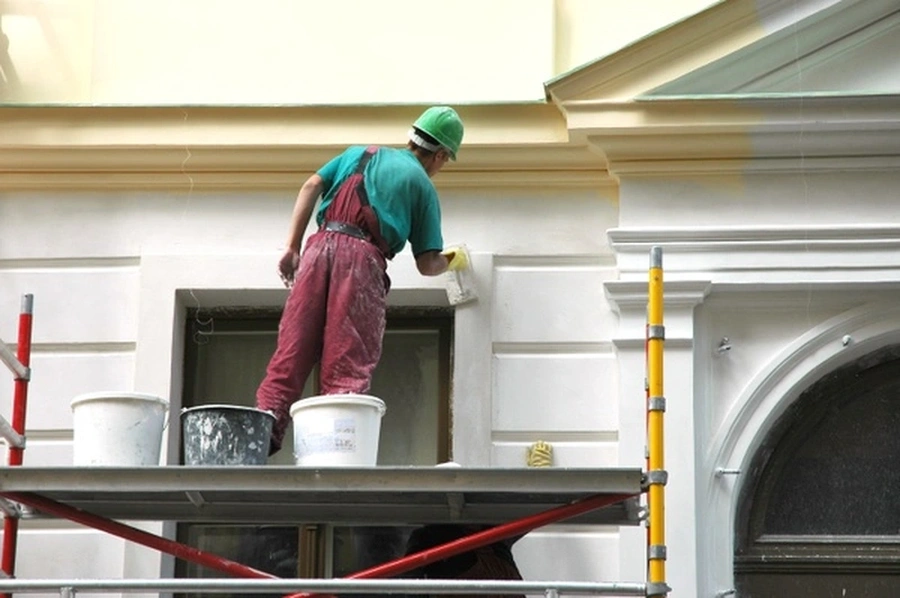
Priming serves as a foundation for the paint, helping it adhere better while providing a uniform color base. A primer can block stains and odors and cover dark colors, making it easier to apply lighter shades over them. It’s especially essential when transitioning between different types of surfaces like wood and metal. By sealing porous materials, primer minimizes absorption rates and ensures that the topcoat remains vibrant and durable.
Identifying Common Mistakes
Improper preparation is often the root cause of most painting failures. Some common mistakes include skipping cleaning steps, ignoring damaged sections, or failing to let primers dry completely before applying paint. Such oversights result in uneven finishes, bubbling, or peeling. Being meticulous during each preparatory stage reduces these risks considerably and promises a long-lasting finish.
Tools You Need
- Buckets for mixing solutions
- Sponge or cloth for cleaning
- Fine-grit sandpaper for smoothing surfaces
- Primer suited for specific materials (wood, metal)
- Paintbrushes or rollers designed for primer application
Estimated Costs Involved
The cost of proper surface preparation varies depending on several factors like the size of the area to be painted and the condition of the existing surface. Basic tools such as sandpaper and cleaning agents are relatively inexpensive. However, high-quality primer may add to initial expenses but contributes significantly to a successful outcome. Cutting corners here often leads to higher maintenance costs later.
Your Next Steps for Success
A great paint job starts with thorough surface preparation. Take the time to clean, sand, and prime your surfaces carefully. Doing so ensures that your painting efforts will stand up against time and elements. Whether you’re planning a small home improvement project or a large-scale renovation in Winchester, VA, getting this right makes all the difference. For expertise in handling such tasks, trust Final Touch Repairman Service – we specialize in delivering quality results for all your needs. Contact us at (540) 236-0444 today!